When to Remove a Tree vs. When to Save It
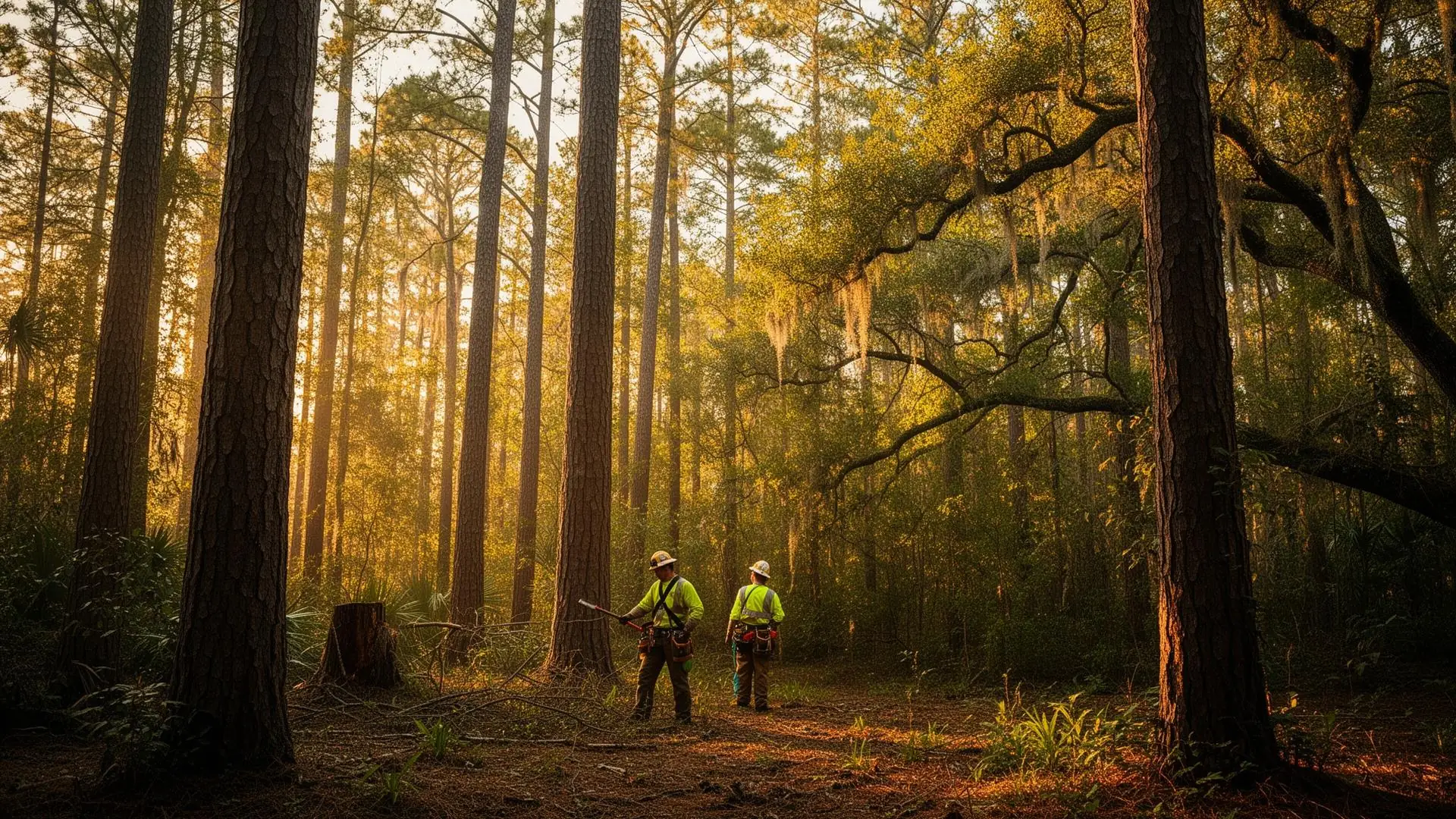
Knowing whether a struggling tree can be saved or needs to come down protects both your safety and your wallet. At Columbia Elite Tree Service, our ISA-certified arborists have spent years caring for the trees of Columbia and the greater Midlands, and we've written this guide to help you make confident, informed decisions about your own property. Whether you have a single backyard tree or several acres of woods, understanding the fundamentals makes every conversation with a professional easier.
Trees are one of the most valuable features of any South Carolina property. A mature shade tree can lower your cooling bills, boost your curb appeal, and add real dollars to your home's value. But trees are also living, growing structures that change over time — and without the right care, they can become liabilities. This article walks you through what you need to know, drawn from real experience working on Columbia-area properties.
Why This Matters for Columbia Homeowners
The Midlands climate is a double-edged sword for trees. Long, hot summers and plenty of rainfall encourage fast, vigorous growth — but that same growth can create dense, top-heavy canopies that catch wind and fail during storms. Our region also sits in the path of tropical systems and severe summer thunderstorms that test the structure of every tree in the area.
On top of weather, our soils, native pests, and the sheer variety of species — from towering loblolly pines to spreading live oaks, sweetgums, water oaks, and crepe myrtles — mean there's no one-size-fits-all answer to tree care. What's right for a pine may be wrong for an oak. Local knowledge makes a real difference, and that's exactly what a Columbia-based arborist brings to your project.
Ignoring a developing problem is almost always more expensive than addressing it early. A small pruning job today can prevent a major failure — and a major repair bill — down the road. That's why we encourage homeowners to schedule regular inspections rather than waiting for something to go wrong.
What the Professionals Look For
When our arborists evaluate a tree, we assess far more than what's visible from the street. We examine the root flare and surrounding soil for signs of instability, heaving, or decay. We look at the trunk for cracks, cavities, fungal growth, and included bark. We study the canopy for deadwood, weak branch unions, and imbalance that could lead to failure under load.
We also consider the target — what's underneath or near the tree. A structurally questionable tree over an open field is a very different situation than the same tree leaning toward your child's bedroom. Risk is always a combination of the likelihood of failure and the consequences if it happens, and a good arborist weighs both before recommending any course of action.
Finally, we factor in the tree's species, age, and overall vigor. Some trees respond beautifully to corrective pruning and supportive care; others are too far gone to save safely. Honest professionals will always tell you when removal is the responsible choice and when a tree is worth preserving.
Practical Steps You Can Take
Start by walking your property a few times a year and after every major storm. Look up at the canopy and down at the base of each tree. Note anything that has changed — new lean, dropped limbs, mushrooms at the base, dead branches, or bark that's peeling or cracked. Photographs over time help you spot gradual decline that's easy to miss day to day.
Keep grass, string trimmers, and mowers away from trunks, and avoid piling mulch against the bark. Water young and newly planted trees deeply during dry spells. And resist the temptation to 'top' a tree to control its size — it's one of the most damaging things you can do, and it creates more hazards than it solves.
Most importantly, bring in a professional for anything beyond simple, ground-level work. The combination of chainsaws, ladders, heights, and heavy falling wood is responsible for thousands of serious injuries every year. A free assessment from a certified arborist costs you nothing and could save you from a dangerous, expensive mistake.
How Columbia Elite Tree Service Can Help
Our team handles every aspect of professional tree care across Columbia, Lexington, Irmo, Cayce, West Columbia, and the surrounding Midlands — including tree removal, expert trimming and pruning, stump grinding, land clearing, and 24/7 emergency storm response. Every crew is licensed, fully insured, and trained to ANSI safety standards, so you can trust that the job will be done right and your property protected.
We believe in honest, upfront pricing and free written estimates. When you call us about when to remove a tree vs. when to save it, we'll come out, take a careful look, explain your options in plain language, and give you a clear quote with no pressure and no hidden fees. You'll always know exactly what you're paying for before any work begins.
If you have questions about your trees or want a free, no-obligation assessment, we'd love to help. Call Columbia Elite Tree Service today at (803) 555-0163 and put our certified arborists to work protecting your property and your investment.